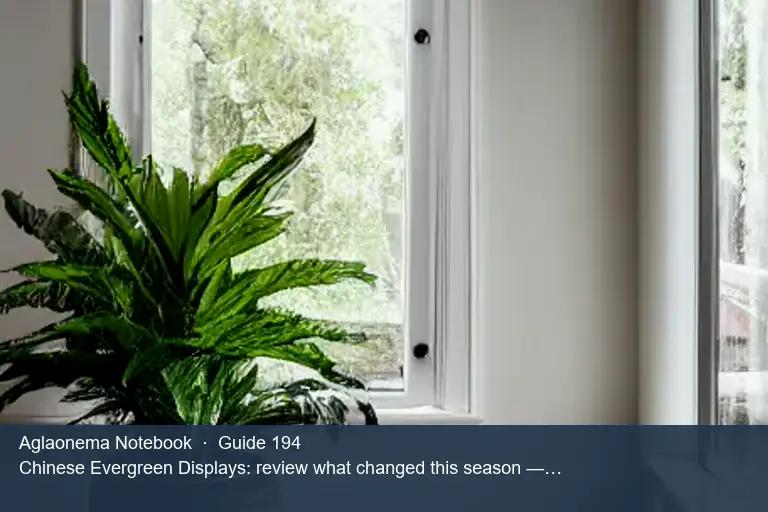
Chinese Evergreen Displays: review what changed this season — resource budget for incomplete plant labels; setup with paper records
Evergreen displays are a staple of Chinese architecture and culture, often featuring elaborate greenery and greenery designs. These displays are not only visually pleasing but also have practical uses, such as providing natural light, improving indoor air quality, and enhancing the aesthetic of the space. However, the use of incomplete plant labels and paper records has led to some issues, particularly when it comes to the quality and longevity of the greenery.
One of the main reasons for this is the lack of a proper paper record system. Traditional Chinese architecture often requires complete plant labels that detail the species and quantities of plants, which can be time-consuming and expensive to maintain. Additionally, the need to record each plant's growth and maintenance requirements can also be daunting. This lack of system can lead to incomplete plant labels, which can be a significant problem for Chinese evergreen displays.
Another issue is the inconsistency of paper records. Not all plants may require the same level of care or maintenance, and some may even require more frequent attention. This inconsistency can lead to the loss of important information, such as the age and health of the plant, which can have a negative impact on the display's quality.
In conclusion, Chinese evergreen displays require a proper paper record system to ensure the quality and longevity of the greenery. This system should be well-organized, consistent, and easily accessible to all staff members. Failure to maintain a proper paper record system can lead to incomplete plant labels and a lack of care for the greenery, which can have a negative impact on the display's quality.