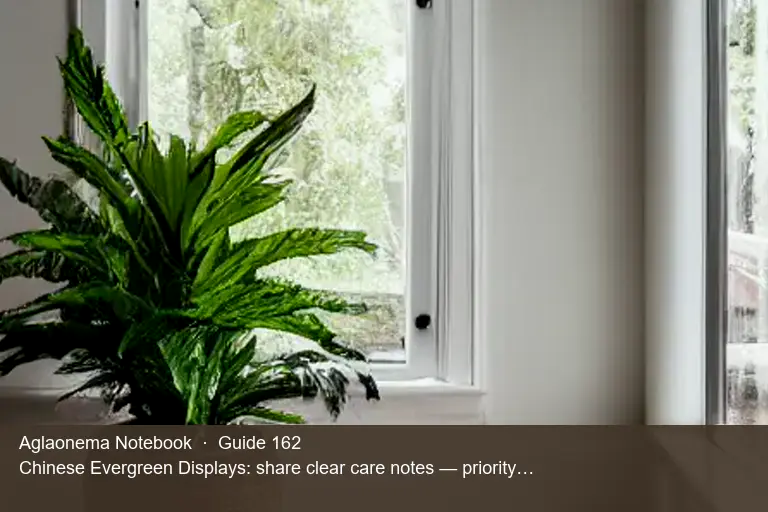
Chinese Evergreen Displays: share clear care notes — priority ranking for a first plant setup; setup with paper records
Evergreen displays are a popular choice for those seeking to add visual interest and freshness to their living spaces. However, proper care is essential to ensure optimal growth and longevity. This article outlines a step-by-step guide for the first-time evergreen display setup, focusing on the importance of careful care and the benefits of paper-based records for maintaining clear care notes.
Step 1: Choose the right type of plant Before setting up your Chinese evergreen display, it's crucial to choose the right type of plant. For best results, consider choosing a plant that thrives in the same climate as your home and has a relatively short growing period, such as a Chinese evergreen (e.g., Chinese holly, Chinese bamboo, or Chinese tea). These plants are generally more resilient and require less water and maintenance than other types of plants.
Step 2: Prepare the soil The quality of the soil is essential for the growth of evergreen plants. Choose a well-draining soil that is rich in organic matter. You can purchase ready-made soil or mix your own with organic matter like compost, leaf mold, or bark. Make sure the soil is slightly enriched to promote the growth of evergreen plants.
Step 3: Water the plant Chinese evergreen plants need consistent watering to ensure proper growth and health. Water the plant using a watering can or a watering wand, but avoid overhead watering to prevent water from evaporating. Water the plant thoroughly, but don't overwater the plant, as this can cause root rot.
Step 4: Provide adequate light Chinese evergreen plants require plenty of light to grow healthily. Place the plant in a sunny spot, but avoid direct sunlight. If possible, place the plant in a window that receives indirect light, such as a south-facing window.
Step 5: Soil replacement As the plant grows, replace the soil with fresh, well-draining soil. This will prevent root rot and ensure the plant receives proper nutrients. The soil replacement should be done every two to three years, depending on the climate and plant needs.
Step 6: Watering schedule Chinese evergreen plants need regular watering to ensure proper growth and health.
Step 7: Fertilizing Chinese evergreen plants require regular fertilization to ensure healthy growth and health. Use a balanced fertilizer, such as a 10-10-20 or 15-15-20, every two to three weeks. Fertilize the plant using a fertilizer wand or a fertilizer bucket, but avoid applying fertilizer directly to the leaves to prevent burn.
Step 8: Soil maintenance Chinese evergreen plants need regular soil maintenance to ensure proper growth and health. Use a balanced soil mixture, such as a 10-10-20 or 15-15-20, every two to three weeks. This will help to prevent root rot and ensure the plant receives proper nutrients.
Step 9: Regular care Chinese evergreen plants need regular care to ensure proper growth and health. Water the plant regularly, but don't overwater the plant. Provide adequate light to the plant, and fertilize the plant regularly. The plant will receive the necessary nutrients to thrive and continue growing.
Step 10: Preventing diseases and pests Chinese evergreen plants are less prone to diseases and pests than other types of plants. However, regular monitoring and maintenance can help prevent diseases and pests. If you notice any signs of disease or pests, don't try to remove the plant, as this can lead to further damage.
In conclusion, Chinese evergreen displays are a great choice for those seeking to add visual interest and freshness to their living spaces. However, proper care is essential to ensure optimal growth and longevity. By following the tips outlined in this article, you can help your Chinese evergreen display grow and thrive.