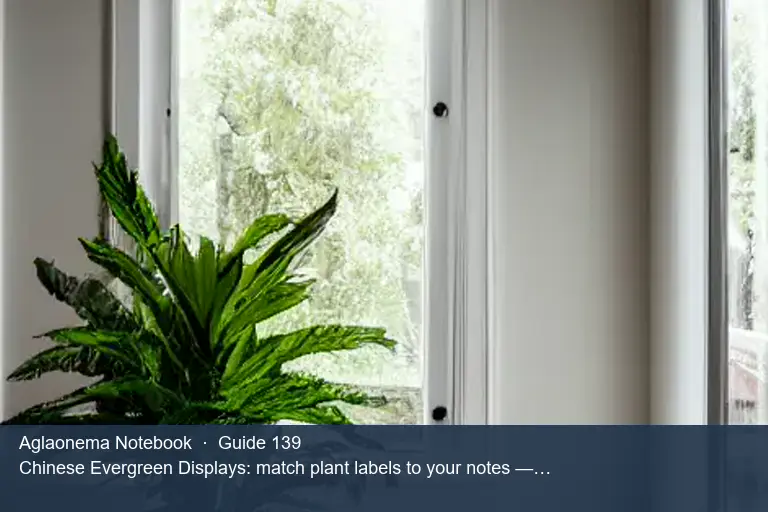
Chinese Evergreen Displays: match plant labels to your notes — preparation guide for a caretaker handover; setup with paper records
### Introduction
Evergreen displays are a great way to keep plants fresh, maintain a clean environment, and boost morale. But, if you're a caretaker, you'll need to know how to prepare and use them. This guide will help you get started, with a focus on creating a hands-on plan to match plant labels to notes.
### Preparation
Evergreen displays are essentially a series of rows of plants. They're designed to keep plants fresh, but it's also important to maintain a clean and tidy environment. To do this, you'll need to match plant labels to notes. This process is called a handover, and it's essential for a caretaker to do properly. Here's how to prepare for a handover.
#### Step 1: Gather Labels
The first step in a handover is gathering labels. This means collecting all the labels you'll need to match plant labels to notes. Labels can be found in plant care books, plant nurseries, or even on the internet. Make sure to gather a variety of labels, including those with numbers, dates, and notes.
#### Step 2: Organize Labels
Once you've gathered all the labels, it's time to organize them. This means sorting the labels into rows, with each row containing a label. It's important to keep the rows organized so that you can easily match labels to notes.
#### Step 3: Label Rows
After organizing the labels, it's time to label the rows. This means writing down the number, date, and notes on each row. It's essential to use a clear and concise format, so that you can easily match labels to notes.
#### Step 4: Match Labels
After labeling the rows, it's time to match the labels to the notes. This means comparing the labels on each row with the notes you have on hand. Make sure to make sure that the notes match the labels exactly, so that you can easily match them.
#### Step 5: Final Review
After completing the handover, it's essential to review the label and note sheets. This means checking that the labels match the notes exactly, and that the notes are in the correct order. Make sure to make sure that you have all the notes on hand, so you can easily match them to the labels.
### Implementation
Once you've completed the handover, it's time to implement the steps. This means creating a plan to match plant labels to notes, and implementing the plan. This plan should include the labels you have, the notes you have, and the labels you need to match.
#### Step 1: Labeling Plants
The first step in a handover is labeling plants. This means identifying the plants you have, and identifying the plants you need to match. Make sure to label the plants with the numbers and dates, so you can easily match the labels to the notes.
#### Step 2: Labeling Notes
The second step in a handover is labeling notes. This means identifying the notes you have, and identifying the notes you need to match. Make sure to label the notes with the numbers and dates, so you can easily match the notes to the labels.
#### Step 3: Matching Plants and Notes
The third step in a handover is matching plants and notes. This means comparing the plants to the notes, and matching the notes to the plants. This step is crucial, as it ensures that you have all the necessary information to match plant labels to notes.
#### Step 4: Reviewing Plan
The final step in a handover is reviewing the plan. This means reviewing the label and note sheets, and making sure that the labels match the notes exactly, and the notes are in the correct order.
### Conclusion
However, it's important to ensure that you have the necessary information to match plant labels to notes.