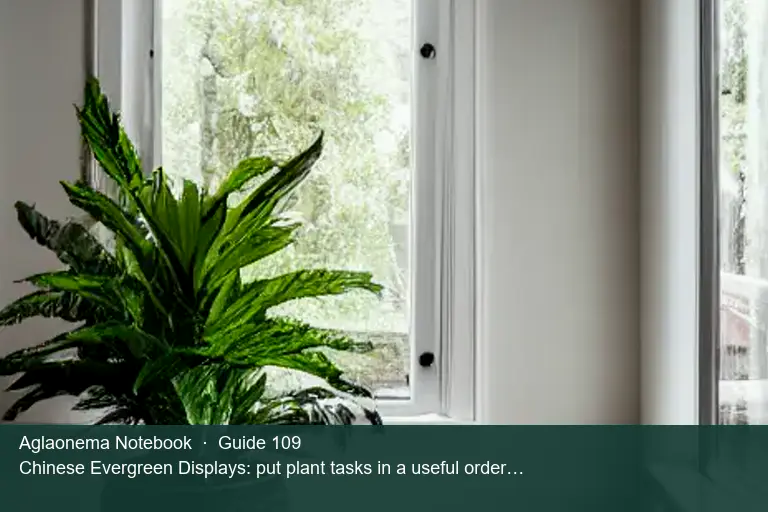
Chinese Evergreen Displays: put plant tasks in a useful order — troubleshooting map for existing containers; setup with paper records
Evergreen displays are a popular choice for outdoor planters, providing a natural backdrop for succulent and other plant species. However, maintaining these displays can be a daunting task, especially for beginners. This article outlines a practical way to organize and manage your Chinese evergreen displays using a paper-based records system. The guide will help you troubleshoot common issues and set up your displays in a systematic manner, ensuring optimal growth and maintenance.
### Step 1: Preparation
Before you start, gather all your materials, including paper records, plants, soil, watering tools, and any other necessary items. Ensure that each container has a clear plan for the plants, their growth needs, and any other tasks that you want to complete.
### Step 2: Record Your Plants
Once you have all your tools and materials, it's time to start recording your plants. Start by placing a small amount of soil around each plant, making sure it's level with the top of the container. This ensures that the plants are not standing on the soil and will not become damaged.
Next, add a small amount of water to each plant, making sure it's not soaking the soil. This will help in maintaining a healthy soil-plant interface. Each plant should be given a unique number, which you can find on the soil label. This number will be used to track the growth and maintenance of each plant.
### Step 3: Organize Your Containers
Now, it's time to organize your containers. Start by placing your plants in a way that maximizes their growth. For example, place larger plants closer to the water source and smaller plants closer to the soil. This will ensure that each plant receives the right amount of water and nutrients.
Next, add a small amount of soil around each plant, making sure it's level with the top of the container.
### Step 4: Check Your Containers
Finally, check your containers to ensure everything is in order. Make sure that each plant has a unique number, and that the soil and plants are in a healthy state. Any damage or neglect will prevent the plants from growing properly.
### Troubleshooting Guide
#### 1. Missing Soil If you find that your soil is missing, it's time to add it. This will ensure that the plants are getting the right amount of water and nutrients.
#### 2. Plant Overcrowding If you find that your plants are overcrowded, it's time to reduce the number of plants.
#### 3. Soil Not Level If you find that the soil is not level, it's time to add more soil. This will ensure that the plants are not standing on the soil and will not become damaged.
#### 4. Watering Tools Not Working If you find that your watering tools are not working, it's time to replace them. This will ensure that you are watering your plants correctly.
#### 5. Plants Not Growing If you find that your plants are not growing, it's time to check your containers. If you find that the soil is not level, it's time to add more soil. If you find that the water is not enough, it's time to add more water.
### Conclusion
Chinese evergreen displays are a great way to enjoy the beauty of nature while also maintaining their health. By organizing your containers and adding soil and plants in a systematic manner, you can ensure that your displays are healthy and well-maintained. The tips outlined in this article should help you troubleshoot common issues and set up your displays in a systematic manner. With proper care, your Chinese evergreen displays will thrive, providing a natural backdrop for your plants to thrive.